


I’m sure after you read the title of this article, the first thought you had was, “What the heck is mangosteen juice?” A fitness junkie friend introduced me to mangosteen juice when I told her about the Athletic Greens that I drink every morning. I was lamenting that although I really like the effect of the boost of energy and immune supplement, it tasted like green chalk. She suggested that I try mangosteen juice as an alternative.
She also directed me to a list of the 22 reasons why everyone should be drinking mangosteen juice:
After reading all of those positive effects, I thought, this is too good to be true. It can’t possibly do all of those things. Why have I never heard of it or have the slightest idea what it looks like? if it really did all of those things, why wouldn’t everybody buy it?
Upon further research, the mangosteen (Garcinia mangostana) is a tropical evergreen tree, believed to have originated in the Sunda Islands and the Moluccas. The tree grows from 7 to 25 meters tall. The edible fruit is deep reddish purple when ripe. In Asia, the mangosteen fruit is known as the “Queen of Fruits,” while the durian (Durio species) is known as the “King of Fruits.” It is closely related to other edible tropical fruits such as button mangosteen and lemon drop mangosteen.
The outer shell of the fruit is rather hard, typically 4-6 cm in diameter. Cutting through the shell, one finds a white, fleshy fruit 3-5 cm in diameter. Depending on the size and ripeness, there may or may not be pits in the segments of the fruit. The number of fruit pods is directly related to the number of petals on the bottom of the shell. On average a mangosteen has 5 fruits (round up figure).
I have eaten a lot of exotic fruits in my life, including the King of Fruits – durian, but I have never seen or tasted this Queen of Fruits. Time to try something different. I bought mangosteen juice from Amazon and figured I would try it out! It did taste way better than my Athletic Greens and I did feel more energetic for the rest of day. I will have to let you know in the future if it really helps with weight loss! Even if half of the claims are true, I figure a little mangosteen juice as a daily or several times a week supplement can’t hurt in the middle of a pandemic!
Try it out!
And if you really are not an exotic fruit chick, there are supplements available that are a viable option as an immune supplement. One 26-week study of obese women, by the National Institute of Health, showed that the ones receiving 400mg of mangosteen extract a day had significant reduction in insulin resistance as compared to the control subjects. Definitely worth a try!
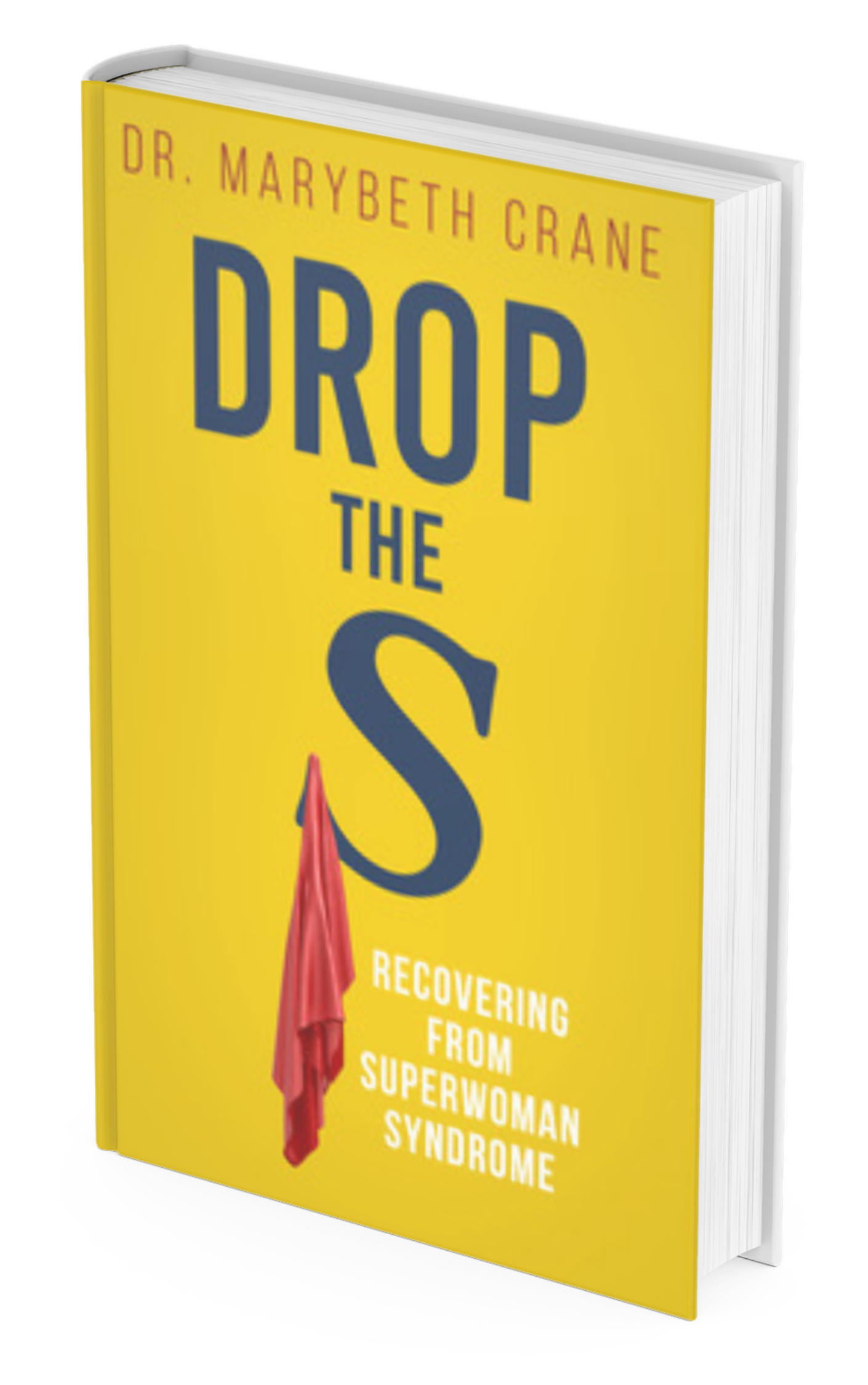
My new book, Drop the S: Recovering From Superwoman Syndrome, was published in August 2021! So exciting! Available in Paperback, Audiobook, and Kindle Ebook version. Please share my story with the women in your life and the men that love them!

Click on each book to be directed to their Kindle and/or paperback editions. Adding new titles as I write them! Enjoy! If you have ideas for new subjects, send me an email or comment!
I am looking forward to hearing from you. Please feel free to get in touch via email, I will get back to you a soon as I can.
Or use the form to sign up for our newsletter.
Fit, Fifty and Fabulous
Southlake, TX 76092
MaryBeth@fitfiftyandfabulous.com
It doesn’t matter whether you are the CEO of your family, a multi-million-dollar corporation or both; you can still get overwhelmed and experience the symptoms of burnout. In my recent book, Drop the S: Recovering from Superwoman Syndrome, I discussed my own personal journey through burnout. The inner drive that we must excel often leads … Continue reading Why is Burnout an Epidemic and What Can We Do About It?